Skip to content
Burlington, Ontario

Aluminum Robotic Welding Services in Ontario

Robot Welding Services Inc. supports Ontario manufacturers that need repeat aluminum welded components and assemblies. Send your drawing package and we review the alloy, joint design and fixturing, then weld it in our enclosed robotic cell in Burlington, Ontario.
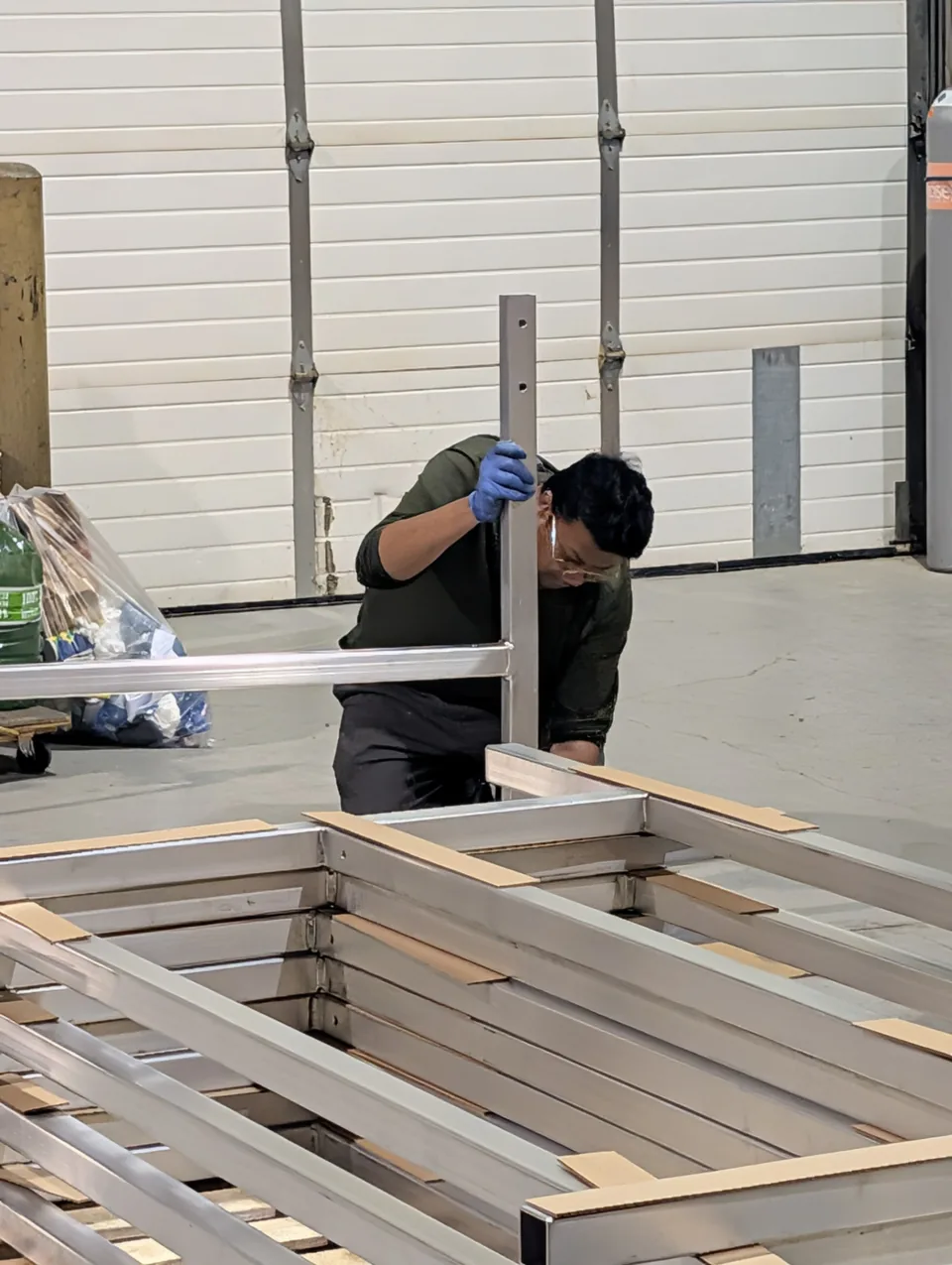
RWS technician assembling welded aluminum handrail frames in the Burlington shop
Aluminum Robotic Welding Capabilities

Aluminum work that suits the robotic cell

The cell is an enclosed dual-station FANUC ArcMate 120iC with a Fronius TPS 400i power source running CMT and PMC processes, with an approximate 48 × 30 in working envelope. See the full robotic MIG welding overview for steel and stainless-steel work.

Repeat frames and tubular assemblies

Welded aluminum frames and tubular assemblies produced against a fixture for recurring production runs.

Brackets and production components

Smaller aluminum brackets and components that fit the approximate 48 × 30 in robotic-cell envelope.

Dedicated weld fixtures

RWS designs and builds the weld fixtures and production tooling that hold aluminum parts in position.

First-article review

A first article is produced and reviewed with you before repeat production begins.

Robotic MIG with CMT or PMC

The Fronius TPS 400i supports Cold Metal Transfer and Pulse Multi Control, used where the joint and material suit them.

Project-by-project review

Every project is reviewed for alloy, wall thickness, joint design, fit-up, weld access and production quantity.

Process Control

Why aluminum requires process control

Heat input must be controlled

Aluminum carries heat quickly, so the welding parameters and sequence are set to keep heat input under control.

Fit-up and cleanliness matter

Joint fit-up and clean material surfaces are part of the review before a part is quoted or welded.

Thin-wall work needs sequencing and fixturing

Thin-wall assemblies are held in dedicated fixtures and welded in a planned sequence.

Procedure and filler selected per application

The welding procedure and filler wire are selected according to the application. Not every aluminum alloy or component is suitable for the robotic cell.

Actual RWS Aluminum Work

Aluminum produced at RWS

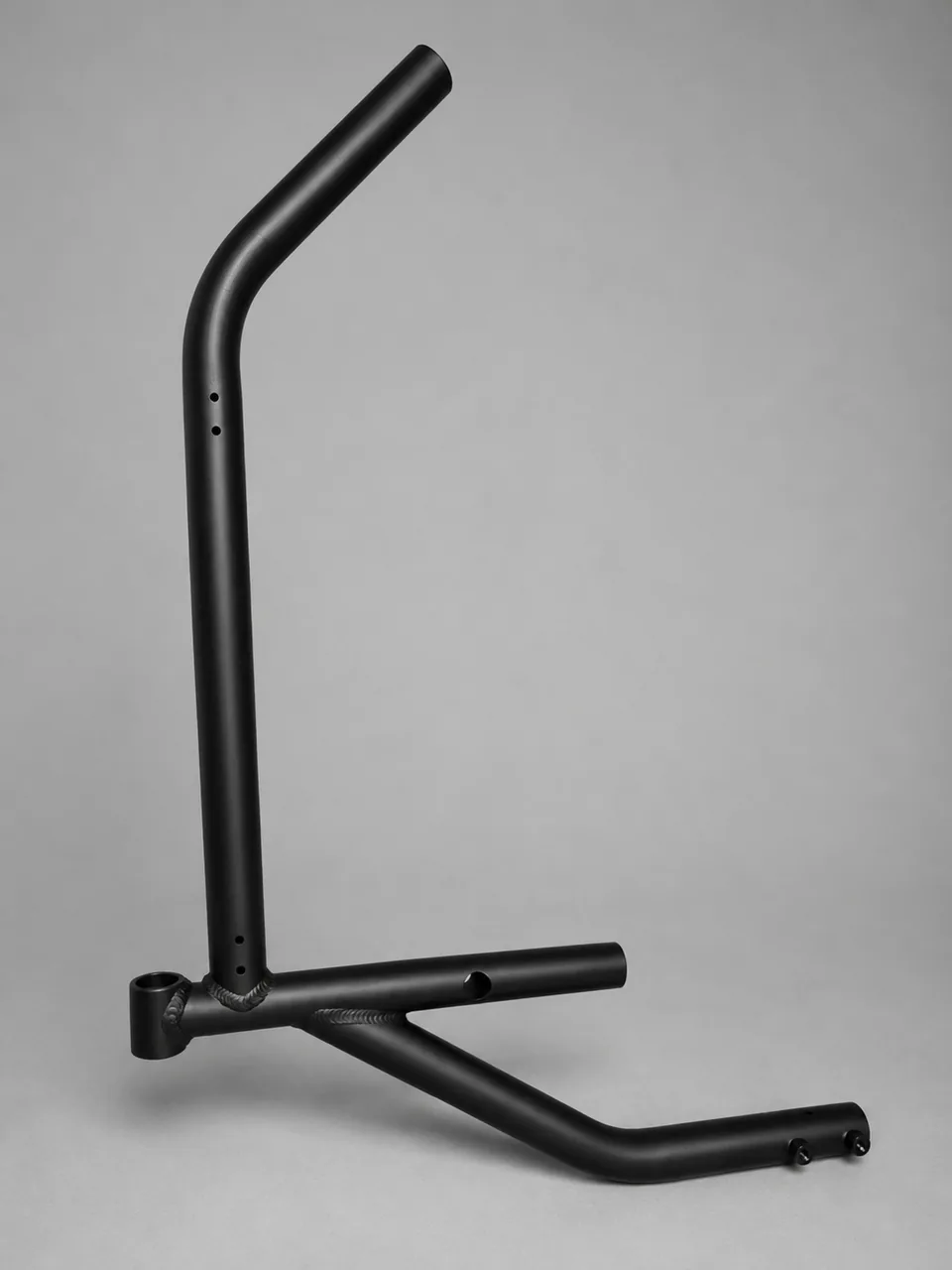
Welded wheelchair frame component produced by RWS

Aluminum Wheelchair-Frame Assemblies

Welded aluminum wheelchair-frame assemblies produced for a medical-sector customer.

See this project
RWS technician assembling aluminum handrail frames in the shop

Aluminum Handrail & Dock-Related Assemblies

Production aluminum handrail and rail assemblies, alongside previously completed dock-related work.

See this project
Project Workflow

From drawing package to delivery

  1. 01

    Drawing and requirement review

    We review your drawing package, alloy, quantities and finish requirements.

  2. 02

    Manufacturability and weld-access review

    Joint design, fit-up and torch access are reviewed against the robotic cell before quoting.

  3. 03

    Fixture design

    A dedicated weld fixture is designed and built to hold the assembly repeatably.

  4. 04

    First-article production and approval

    A first article is welded and reviewed with you before repeat production is released.

  5. 05

    Repeat production

    Production runs in the enclosed dual-station cell against the approved first article.

  6. 06

    Finishing and delivery coordination

    Cutting, forming, tube bending and powder coating are coordinated through established RWS partners, then delivered on the agreed schedule.

What to Send for a Quote

Include this with your drawings

  • Drawings
  • Material and alloy
  • Wall thickness
  • Required quantities
  • Weld requirements
  • Finish requirements
  • Target delivery schedule
FAQ

Aluminum welding questions

Does RWS robotically weld aluminum?
Yes. Aluminum is welded robotically in the enclosed dual-station FANUC ArcMate 120iC cell using a Fronius TPS 400i power source with CMT and PMC processes. Robotic MIG welding only — robotic TIG welding is not offered.
What aluminum parts are suitable for robotic welding?
Repeat frames, tubular assemblies, brackets and production components that fit the approximate 48 × 30-inch working envelope and can be held in a dedicated fixture. Alloy, wall thickness, joint design, fit-up, weld access and quantity are reviewed for every project.
Can RWS build the welding fixture?
Yes. Weld fixtures and production tooling are designed and built in-house as part of the job, alongside drawing review, DFM support, CAD assistance and production planning.
Can RWS coordinate cutting, forming and powder coating?
Yes. Cutting, forming, tube bending and powder coating are coordinated through established partners, so you deal with one accountable contact for the completed component.
What information is needed for a quote?
Send drawings, material and alloy, wall thickness, required quantities, weld and finish requirements, and your target delivery schedule — through the quote form or by email to sales@robotweldingservices.com. Customer identities and drawings remain confidential where required.

Send Us Your Aluminum Welding Project

Send your drawing package with alloy, wall thickness, quantities and target schedule and we will review it and respond.

Send Us Your Drawings

One drawing package. One accountable partner.

Send your drawings and requirements — RWS plans the manufacturing route, welds and fabricates in-house, coordinates the rest, and delivers finished parts.

Email RWS Request a Quote